
🪙 Is Your Bicentennial Kennedy Half-Dollar More Valuable Than You Think?


4
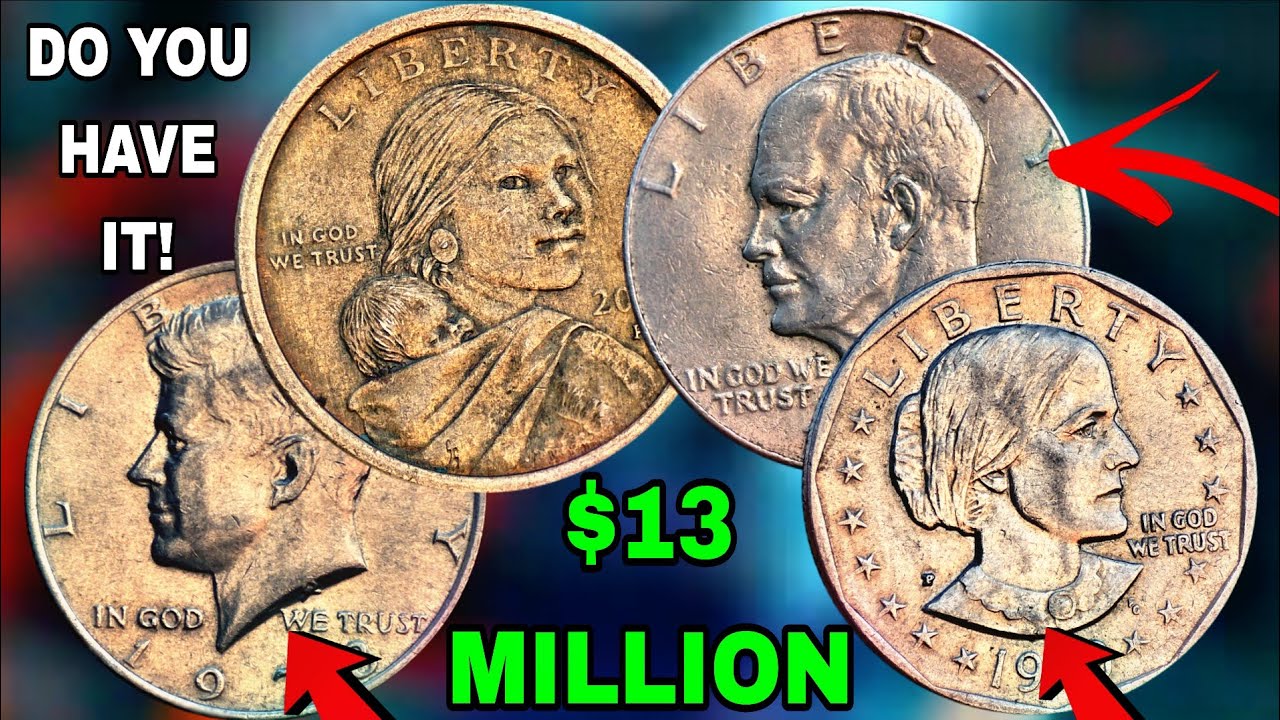
The 1776–1976 Kennedy Half-Dollar is one of the most recognizable modern U.S. coins. Created to celebrate America’s 200th anniversary of independence, it features a special dual date and a unique reverse design that sets it apart from regular Kennedy half-dollars.
Although millions were minted, certain silver versions, rare mint errors, and exceptional high-grade examples have become highly desirable among collectors. Some certified coins have sold for impressive prices, making this Bicentennial issue a favorite in the numismatic community.
If you have one tucked away in a coin collection or old drawer, it’s worth taking a closer look.
🇺🇸 Why the 1776–1976 Kennedy Half-Dollar Is Special
To commemorate the United States Bicentennial, the U.S. Mint temporarily redesigned several circulating coins in 1975 and 1976.
Instead of the traditional presidential seal reverse, the Bicentennial Kennedy Half-Dollar features:
- 🏛️ Independence Hall on the reverse
- 🇺🇸 The dual date 1776–1976
- 🪙 A one-time commemorative design
Because of its historical significance, it remains one of the most collected modern American coins.
🔍 Step-by-Step: How to Check If Your Coin Is Valuable
✅ Step 1: Verify the Date
Look for the dual date:
1776–1976
If your coin has this date, you’ve found a Bicentennial Kennedy Half-Dollar.
⚖️ Step 2: Determine Whether It’s Silver
One of the biggest factors affecting value is the coin’s metal composition.
40% Silver Version
Collectors often look for:
- ⚖️ Weight of approximately 11.50 grams
- ✨ Solid silver-colored edge
- 🪙 Collector-issued versions from Mint Sets
Copper-Nickel Clad Version
Standard circulation coins typically weigh:
- ⚖️ Approximately 11.34 grams
- 🟤 A visible copper-colored stripe on the edge
Silver examples generally carry higher collector premiums than common clad coins.
🔎 Step 3: Search for Valuable Mint Errors


4
Certain production mistakes can significantly increase collector interest.
Look carefully for:
- 🔄 Doubled lettering
- 🎯 Off-center strikes
- ⚙️ Missing clad layers
- 🪨 Die cracks
- 🪙 Wrong planchet errors
- 📐 Misaligned strikes
Authentic mint errors are considerably scarcer than normal coins.
⭐ Step 4: Evaluate the Coin’s Condition
Collectors pay the highest prices for coins that remain:
- ✨ Bright and original
- 💎 Nearly free from marks
- 🏅 Certified in high Mint State grades
- 🌟 Attractive with strong eye appeal
Even common Bicentennial half-dollars become more desirable in exceptional condition.
🛡️ Step 5: Protect Your Coin
If your coin appears unusual:
- 🚫 Never clean it.
- 📦 Store it in a protective holder.
- 🧤 Handle it only by the edges.
- 📸 Photograph both sides.
Proper storage helps preserve collector value.
💰 How Much Is a 1776–1976 Kennedy Half-Dollar Worth?
Values depend on several important factors, including rarity, condition, composition, and whether the coin displays a genuine mint error.
Typical collector ranges include:
| Coin Type | Estimated Collector Value* |
|---|---|
| Common circulated clad coin | Face value to a few dollars |
| Uncirculated clad coin | Several dollars to modest premiums |
| 40% Silver collector version | Approximately $10–$200+ |
| Certified mint-error coins | Hundreds to several thousand dollars |
| Exceptional certified rarities | Can exceed $25,000 in rare cases |
*Actual market prices vary depending on authentication, condition, rarity, and current collector demand.
📈 Why Collectors Love Bicentennial Half-Dollars
These commemorative coins remain popular because they combine:
- 🇺🇸 Historic Bicentennial significance
- 🪙 Unique reverse design
- ⚙️ Interesting mint errors
- ✨ Special silver collector issues
- 📈 Long-term collector demand
As certified high-grade examples become scarcer, collector interest continues to remain strong.
💼 Tips for Maximizing Your Coin’s Value
If you believe you’ve found a collectible example:
- 🚫 Avoid cleaning or polishing.
- 📦 Store it in an archival-quality holder.
- 🏅 Consider professional grading.
- 📚 Research recent auction results.
- 👨💼 Consult reputable coin dealers or auction specialists.
Proper authentication often increases buyer confidence.
❓ Frequently Asked Questions
💬 Are all Bicentennial Kennedy Half-Dollars made of silver?
No. Most coins released into circulation are copper-nickel clad. Special collector versions were struck in 40% silver.
💬 How can I tell if mine is silver?
Check the edge. A silver coin has a solid silver-colored edge, while a clad coin typically shows a copper-colored stripe. A precise digital scale can also help.
💬 Are mint errors common?
No. Genuine mint errors are relatively scarce and are usually worth more than ordinary examples.
💬 Should I clean my coin before selling it?
No. Cleaning frequently reduces collector value.
🏆 Why Professional Grading Is Important
Professional certification can:
- ✅ Confirm authenticity
- 🔍 Identify genuine mint errors
- 📈 Establish an official grade
- 💼 Increase buyer confidence
- 💰 Improve marketability
Collectors often pay stronger prices for certified examples than for raw coins.
🎯 Before You Spend Your Bicentennial Half-Dollar…
Most 1776–1976 Kennedy Half-Dollars are common collector coins worth modest premiums.
However, silver versions, genuine mint errors, and outstanding Mint State examples can be significantly more valuable.
Taking a few minutes to inspect your coin carefully could reveal a fascinating piece of American numismatic history—and perhaps a valuable addition to your collection. 🪙✨
Leave a Reply